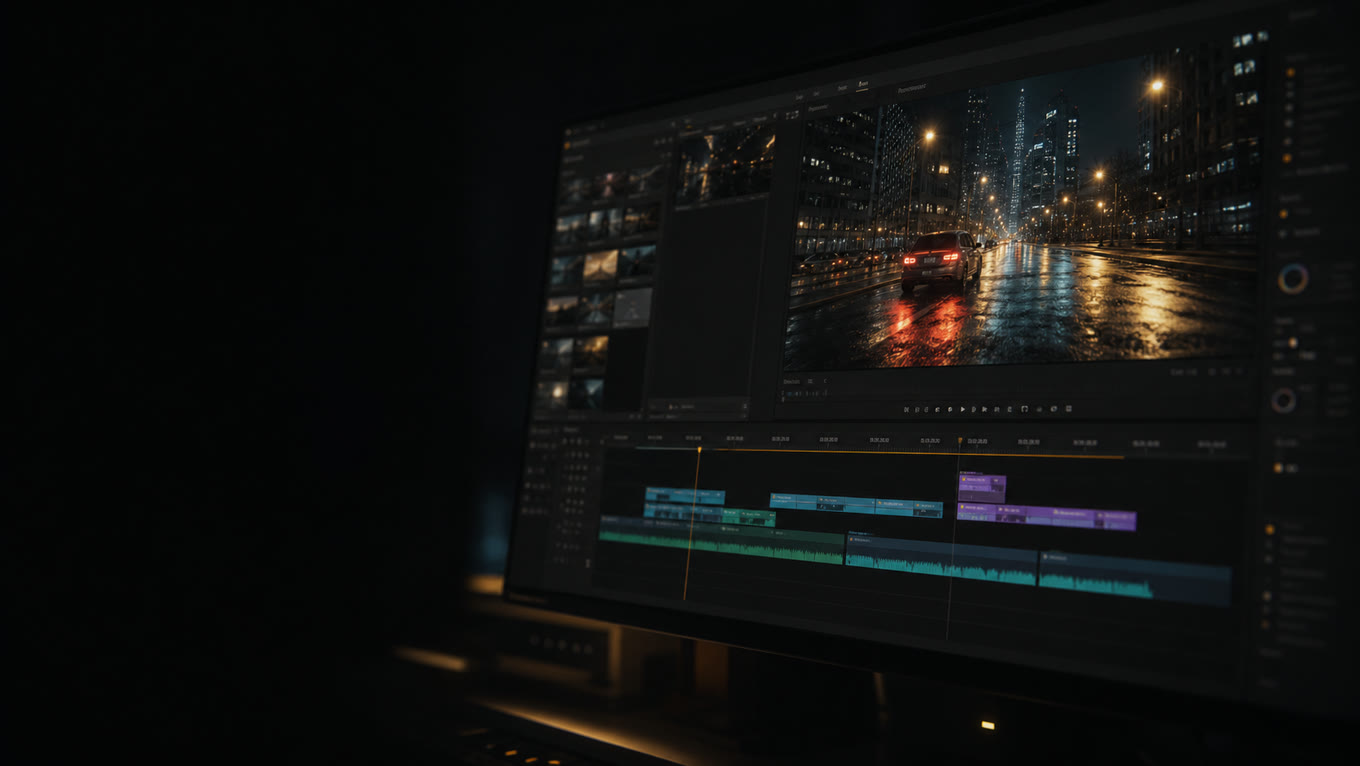
Recover the edit behind Dynamic Link
Recover the original Premiere Pro clips, edit points, and timeline structure behind existing After Effects Dynamic Link edits.

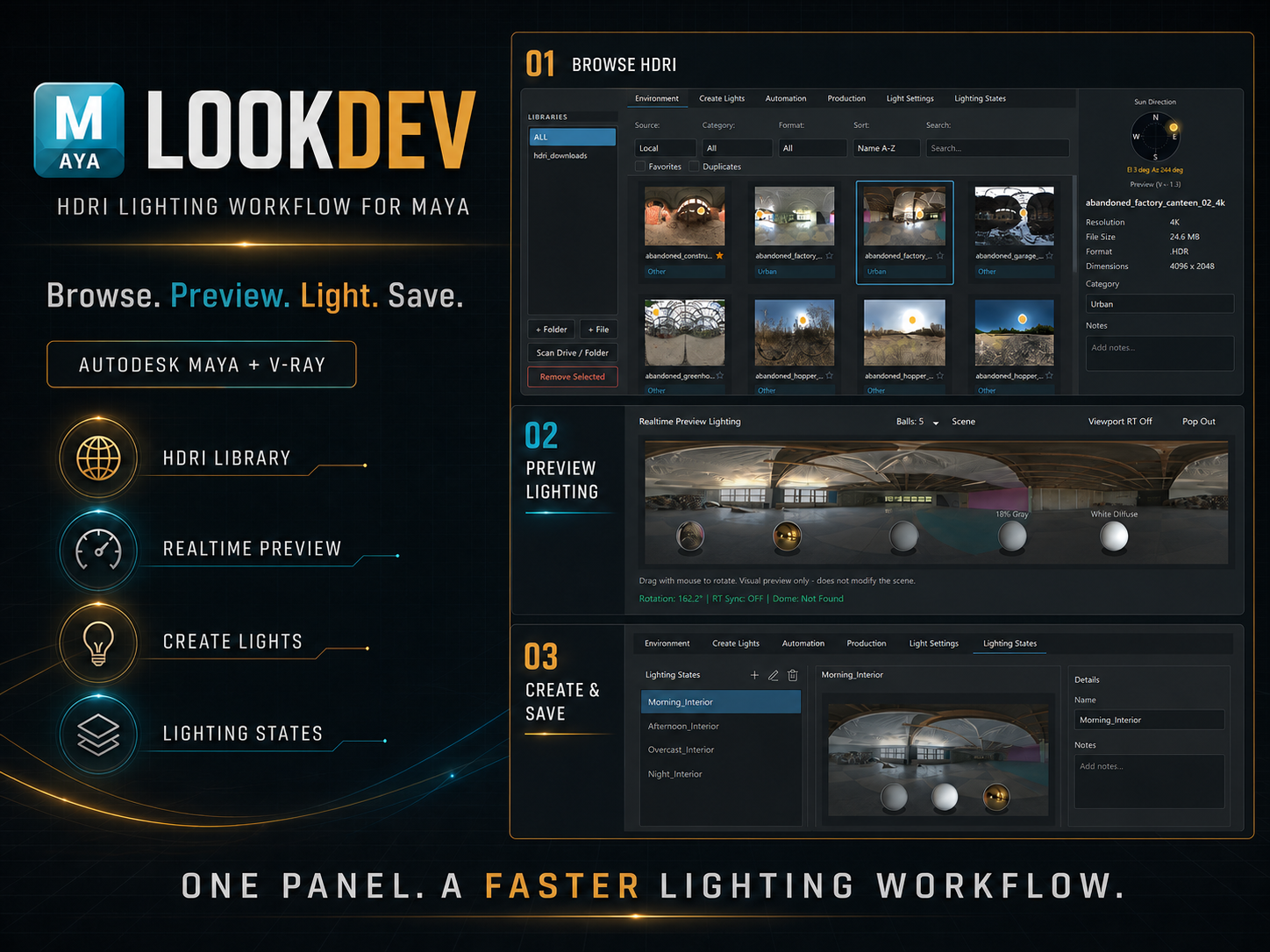
Professional workflow tools for Premiere Pro, After Effects and Maya.
Recover the original Premiere Pro clips, edit points, and timeline structure behind existing After Effects Dynamic Link edits.
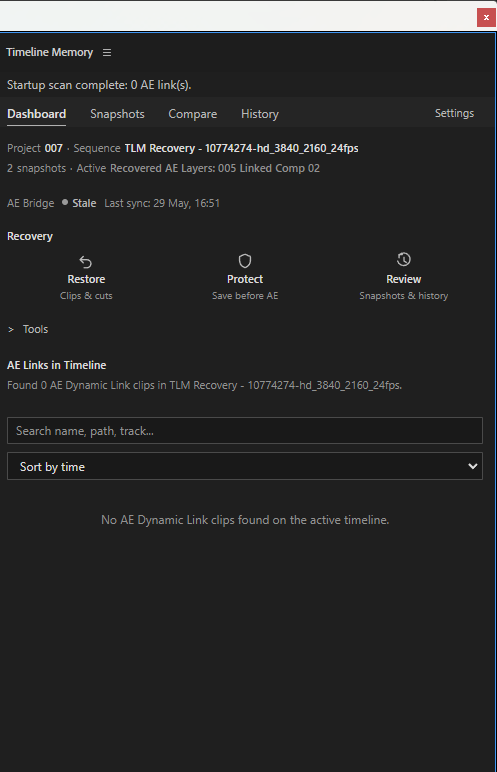
Recover From AE can inspect an existing Dynamic Link composition, related Premiere Auto-Save data, and available project media when no Timeline Memory snapshot was created.
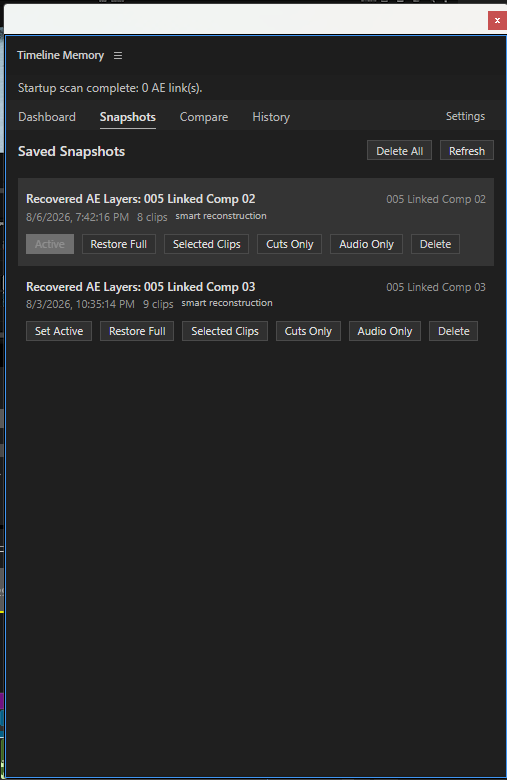
Snapshots preserve selected Premiere clips, edit points, timing, and timeline structure as protected recovery points, so you can compare a result and choose what to restore before changing the active edit.
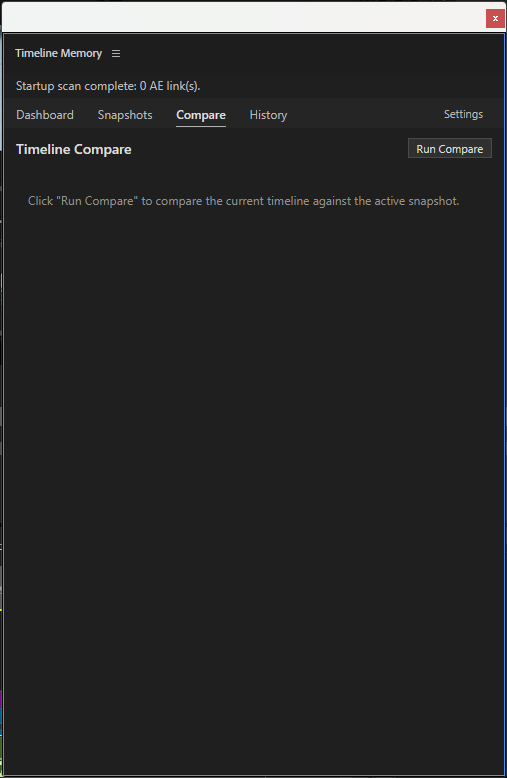
Compare the recovery result with the current timeline before restoring. Recovery is prepared in a duplicated sequence when Premiere permits; if a safe plan is unavailable, restore is blocked.
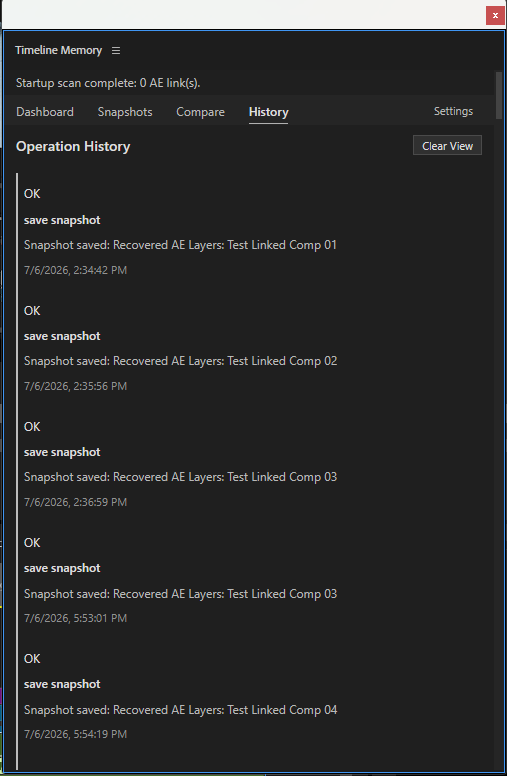
History lists prior snapshot and recovery actions with their recorded time, helping you review what Timeline Memory saved or prepared during the workflow.
Choose recovery depth, scan controls, and restore-media scope before recovery begins. Timeline Memory keeps the planned scope visible and under your control.
Ready to protect your Premiere edits?
Try Timeline Memory Free View product details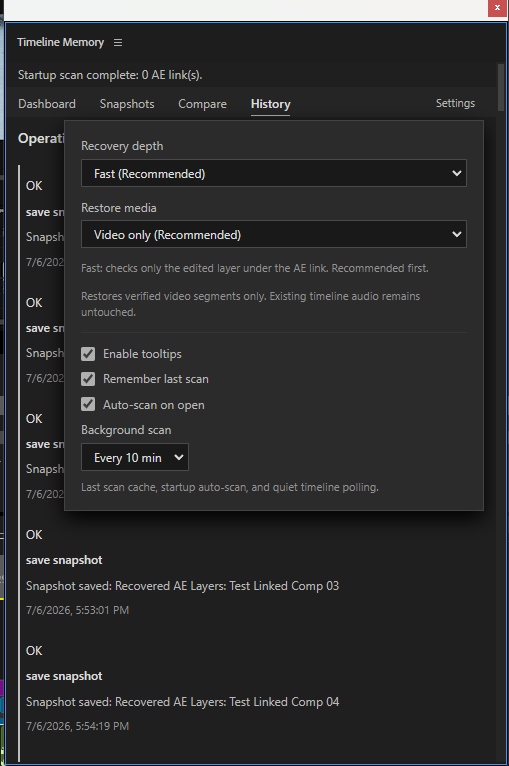
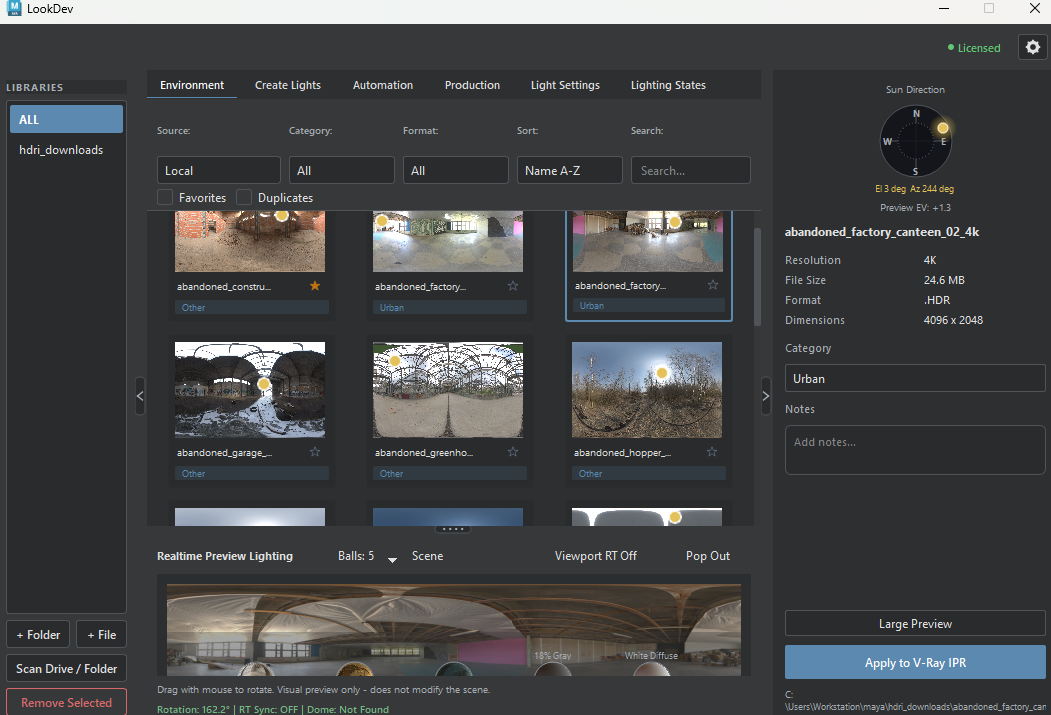
Explore the HDRI library with thumbnails, search, and filters, then inspect the environment through LookDev's realtime preview controls in Maya.
Create Lights builds light rigs from selected geometry, with V-Ray light creation controls kept together in a focused Maya workflow.
Open Create Lights docs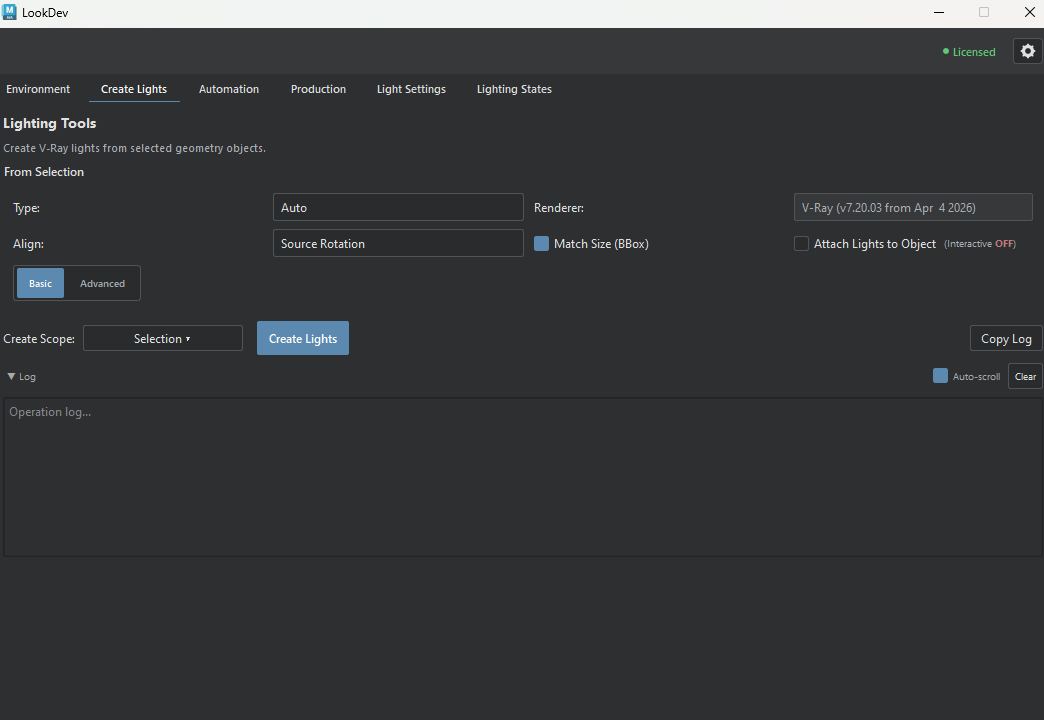
Scan source meshes, preview detected objects, then create lights from the selected scope with automation controls that keep the process visible.
Open Automation docs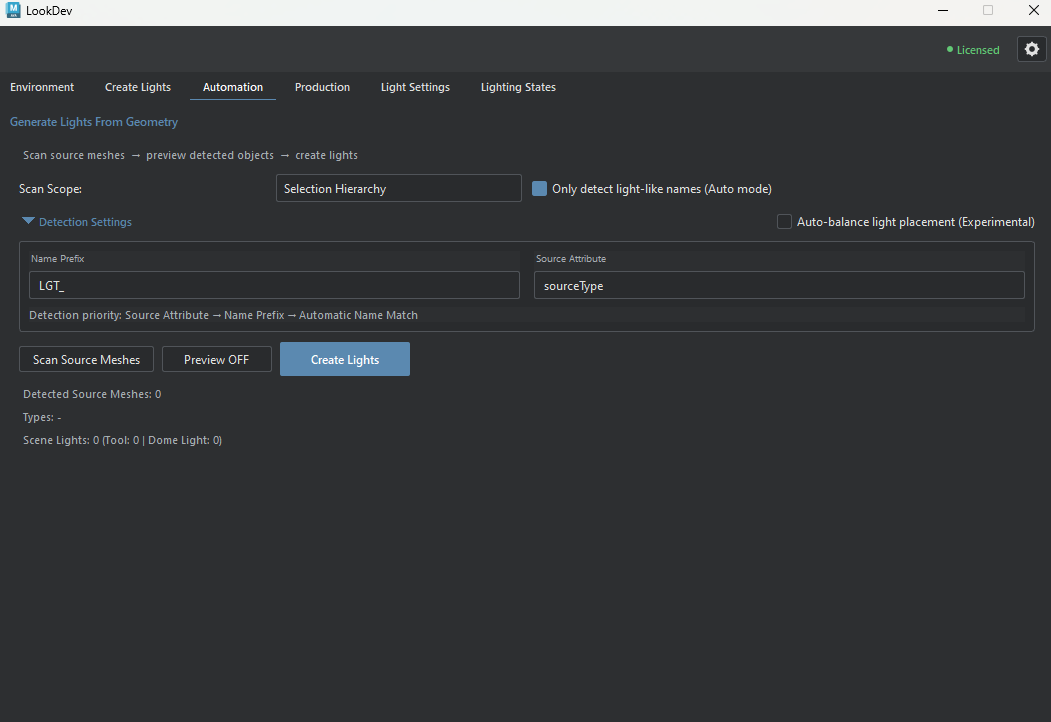
The Production tab brings turntable, camera, and rig controls into the same toolset so presentation work stays close to the lighting workflow.
Open Production docs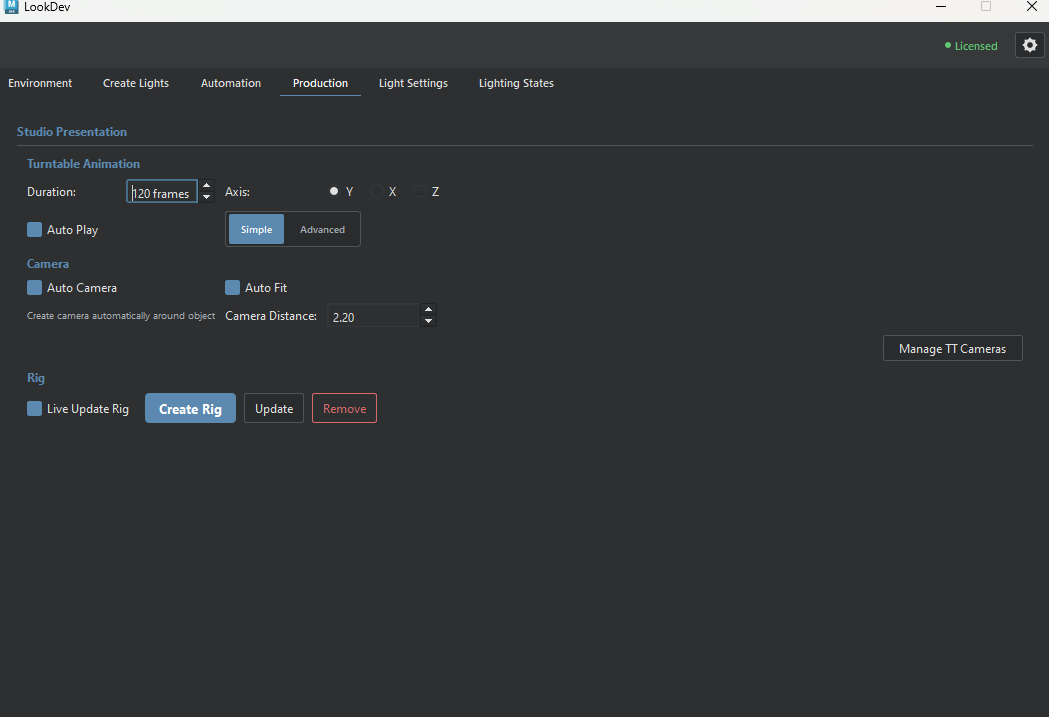
Scan and manage created or compatible scene lights from one list, with controls for selecting, adopting, and reviewing the lights in the scene.
Open Light Settings docs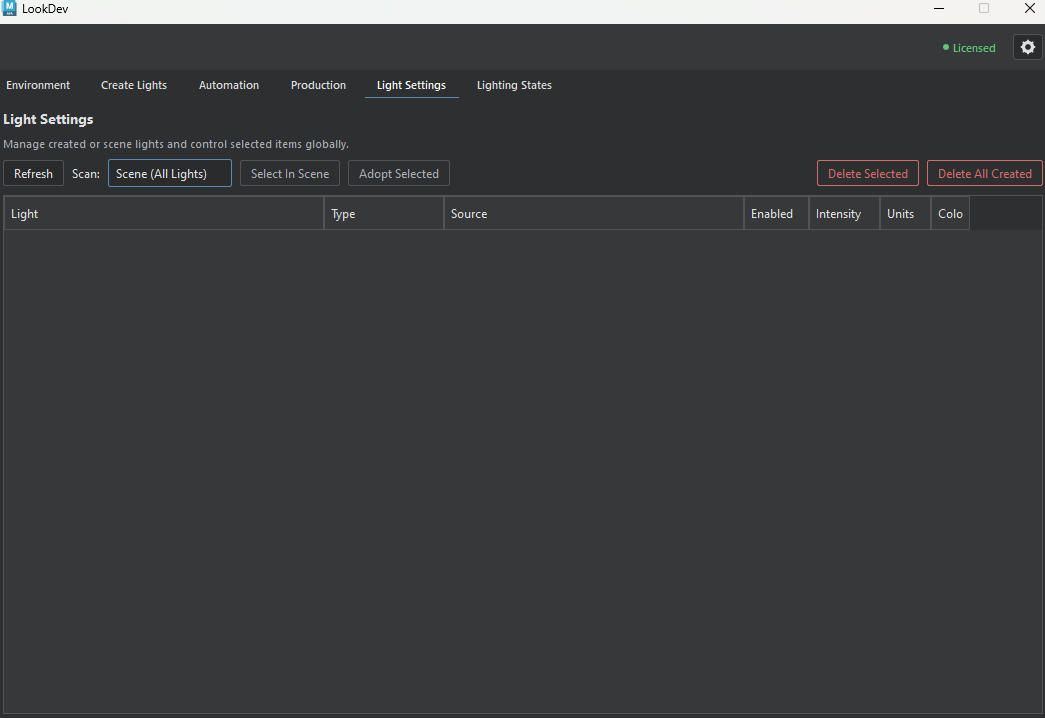
Save a named lighting snapshot, compare State A and State B, and apply the chosen setup when reviewing alternatives for the same Maya scene.
Open Lighting States docs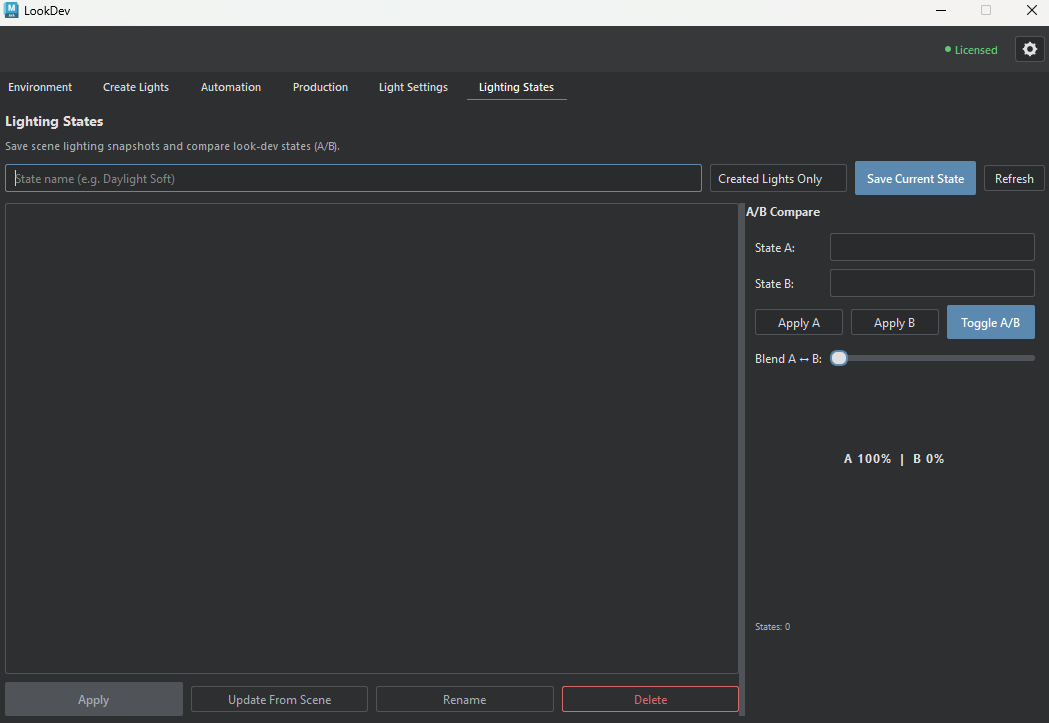
Get occasional emails about new products, releases, and important product updates.